
Africa's First Voice Enabled Sudent Super Platform; Earn while You Learn Dismiss

The Complete Guide to Rust Skins: Economics, Aesthetics, and Utility
Rust, the infamously brutal survival game established by Facepunch Studios, is popular for its unforgiving gameplay, high-stakes gamer interactions, and base-building mechanics. However, beneath the layer of radiation suits, wood spears, and attack rifles lies another enormous subculture: the Rust skin economy.
Skins in rust items wiki are more than simply cosmetic flair. For millions of players, they are a status sign, a tactical benefit, and even a kind of digital investment. This thorough guide explores how Rust skins work, their impact on gameplay, and how players can navigate the busy marketplace.
How Rust Skins Work
Unlike video games like Counter-Strike 2, where skins are mostly acquired through randomized loot boxes, Rust takes a various technique. The huge bulk of standard skins are introduced directly through the official rust wiki Item Store on Steam, releasing in weekly batches every Thursday.
Players can buy these items directly for a set rate (normally ranging from ₤ 0.99 to ₤ 3.00). Once acquired, these items come from the gamer's Steam Inventory and can be:
Beyond the Steam store, gamers can obtain skins through community drops (enjoying partnered Twitch streamers) and third-party market websites that allow trading for cash or cryptocurrency.
The Economics of Rust Skins
The Rust skin market runs much like a real-world stock exchange. Driven by supply, need, and developer popularity, skin rates vary hugely. While the majority of skins decline or stay stagnant, uncommon items have actually been known to appreciate by thousands of percent.
Factors Influencing Skin Prices
Popular vs. Rare Rust SkinsSkin NameProduct TypeMarket TierApproximate Price RangeWhiteout HoodieHoodieHigh Utility/ Popular₤ 15 - ₤ 25From Hell GlovesGlovesPremium/ Rare₤ 40 - ₤ 60Alien Red PythonPython RevolverMid-Tier₤ 5 - ₤ 10Glory AK47Assault RifleUltra-Rare/ Collector₤ 200 - ₤ 400+Tempered MaskMetal facemaskTraditional/ High Demand₤ 10 - ₤ 20Visual Appeals vs. P2W (Pay-to-Win): Do Skins Matter?
While Facepunch Studios strictly prevents offering gameplay-altering benefits in the standard video game, the visual nature of skins presents a subtle aspect of tactical energy-- typically disputed by the community as "Pay-to-Win" (P2W).
Here is how skins can impact gameplay:
How to Build a Rust Skin Collection
Constructing an impressive stock doesn't require clearing a savings account. Smart collectors approach the market with strategy and perseverance.
Here are the finest practices for obtaining Rust skins:
The Recycling Feature: A Risky Mechanic
One unique mechanic in Rust is the capability to toss skins into a Research Table or Recycler (though mainly planned for recycling basic items, particular game modes enable skin recycling for raw materials like premium metal, fabric, or leather).
However, recycling a skin ruins it permanently. Players ought to always verify the value of a skin on the Steam Community Market before tossing it into a recycler. A skin worth ₤ 5 on the market need to never be recycled for 50 scraps!
Summary
Rust skins have progressed from simple cosmetic additions into a prospering digital community. Whether a player desires to daunt enemies with a frightening glowing mask, blend perfectly into a snowy mountain, or trade digital properties for profit, the rust wiki skin market offers unlimited engagement.
By comprehending market trends, using weekly Steam shop drops, and balancing aesthetic appeals with energy, any survivor can develop an inventory that sticks out in the harsh world of Rust.
https://learnerground.com/profile/rust-items4104


Chat with us!


Chat with us!

Maecenas quis purus eget sem ultrices auctor vel ut quam. Mauris scelerisque consectetur sem, id commodo libero tincidunt ut. Nulla laoreet tortor vitae augue feugiat rhoncus.
Know More
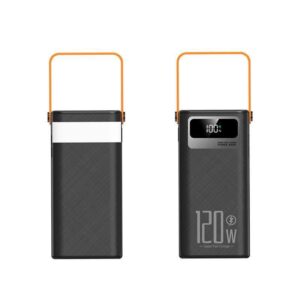
30,000mah new powerbank
₦27,000.00
Bible scripture jar
₦6,900.00
50,000mah new powerbank
₦37,000.00

Rechargeable Hair clipper
Advanced Engineering Mathematics Textbook